

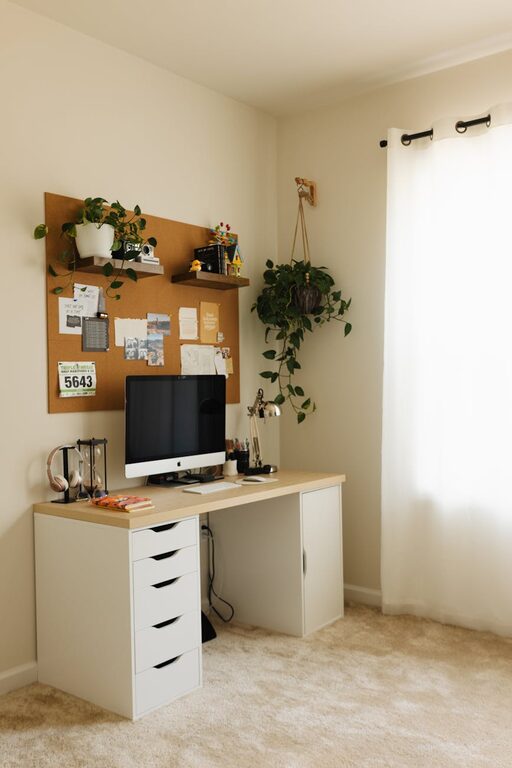
Designing a home office that feels cozy yet keeps you productive can make a significant difference in your work-from-home experience. Whether you are just setting up your space or looking to improve your current office, balancing comfort with functionality is key. This guide offers practical tips to help you create a home office where you enjoy spending time and get work done efficiently.
Choose the Right Location
Consider Natural Light
Start by picking a spot with plenty of natural light. A well-lit workspace helps reduce eye strain and can improve your mood and energy throughout the day. Ideally, set up your desk near a window but avoid glare on your computer screen by angling your desk or using adjustable blinds.
Minimize Distractions
Select a quiet corner or a room where you won’t be easily disturbed by household noises. If possible, close doors or use soundproofing materials like rugs and curtains to reduce outside sounds.
Invest in Comfortable and Functional Furniture
Ergonomic Chair and Desk
Your chair is foundational for comfort during long hours. Choose an ergonomic office chair that supports your back and allows you to adjust the height. Pair it with a desk at the right height to prevent slouching or strain on your wrists.
Personalize Your Desk Setup
Arrange your keyboard, mouse, and monitor to keep your posture natural. A monitor stand or laptop riser can help align your screen with your eye level. Keep frequently used items within arm’s reach to minimize distractions when working.
Organize for Productivity
Declutter Regularly
A tidy workspace helps clear your mind and focus. Use trays, drawers, or organizers to keep papers and supplies in order. Try to limit your desk to essential items only.
Use Storage Solutions
Shelves, filing cabinets, or wall organizers can store documents and materials neatly. Label containers for quick access and reduce the time spent searching for items.
Create a Cozy Atmosphere
Add Personal Touches
Incorporate decor that makes you feel relaxed and inspired. This could be plants, artwork, or family photos. A few personal touches can make your office more welcoming.
Choose Calming Colors
Soft, neutral colors like pale blues, greens, and warm beige promote a calm environment. Consider repainting your office walls or adding colorful accents through curtains, cushions, or a rug.
Control the Temperature and Air Quality
Keep your workspace comfortable by adjusting the temperature and ensuring good ventilation. A small fan or air purifier can improve air circulation and keep the room fresh.
Enhance Lighting for Different Needs
Layer Your Lighting
Combine overhead lights with task lighting like desk lamps. Adjustable lighting allows you to customize brightness based on the time of day and your work type.
Use Warm Light for Comfort
Warm white bulbs create a cozy atmosphere, especially in the evening. Avoid harsh fluorescent lights that can cause eye fatigue.
Technology and Connectivity
Invest in Quality Equipment
Reliable Wi-Fi, a good headset, and a high-resolution monitor can improve your productivity. Consider noise-canceling headphones if your environment is noisy.
Manage Cables
Keep cords organized using cable clips or sleeves. This prevents accidental disconnections and makes your area look neat.
Take Breaks and Move
Set a Break Routine
Plan short breaks every hour to stretch or walk around. Moving periodically helps reduce physical strain and refreshes your mind.
Use a Standing Desk Option
If possible, try a sit-stand desk or a desk converter to alternate between sitting and standing. It promotes better circulation and reduces the negative effects of prolonged sitting.
Maintain Work-Life Balance
Define Office Hours
Keep clear start and finish times to avoid working all day. Closing your laptop and tidying your space at the end of each workday signals your brain to switch off.
Separate Work and Relaxation Areas
If space allows, designate your office for work only. Avoid using your workspace for relaxation to maintain mental boundaries between work and personal time.
—
Creating a cozy and productive home office does not require a complete overhaul. Thoughtful choices about your space, furniture, organization, and lighting can transform your work experience. Take time to customize your office to fit your needs and preferences, making it both a comfortable retreat and a hub of productivity.