

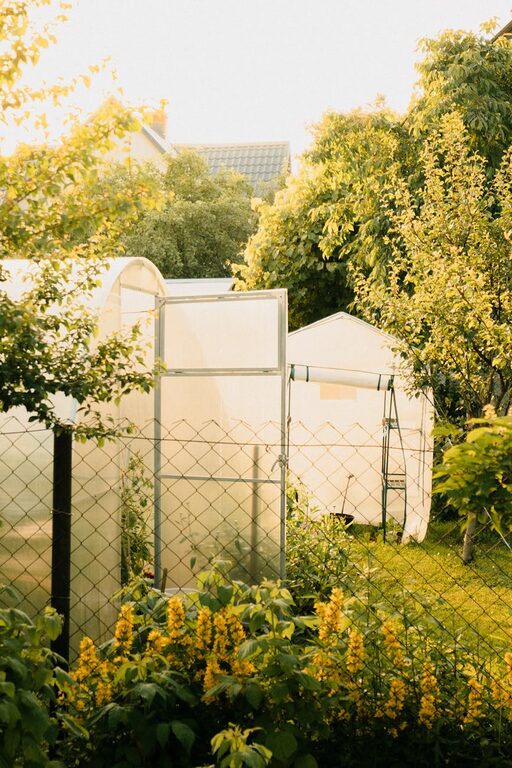
Creating a sustainable home garden is a rewarding way to connect with nature, reduce your environmental impact, and enjoy fresh produce or beautiful plants throughout the year. A sustainable garden focuses on using resources wisely, enhancing biodiversity, and maintaining soil health without relying heavily on chemicals or excessive water. Whether you’re a beginner or an experienced gardener, these tips will help you cultivate a thriving garden that sustains itself across all seasons.
Plan Your Garden with Sustainability in Mind
Choose Native and Adapted Plants
Selecting native plants or those well adapted to your regional climate is a key step for sustainability. These plants naturally require less water, fertilizer, and pest control, making them easier to grow and better for local wildlife like bees and butterflies.
– Research plants suited to your USDA hardiness zone (or your country’s equivalent)
– Incorporate a variety of flowering plants for continuous blooms
– Include trees and shrubs to provide habitat and shade
Design for Year-Round Interest
A sustainable garden thrives throughout the seasons.
– Plant a mix of evergreen and deciduous species to maintain greenery all year
– Include early spring bulbs, summer perennials, and fall fruiting plants
– Use succession planting techniques to maximize harvest and coverage
– Establish areas for wildflowers or cover crops to enhance biodiversity and soil health
Improve and Protect Your Soil
Healthy soil is fundamental to a sustainable garden. It stores water, supports plants, and feeds beneficial organisms.
Compost Regularly
– Start a compost pile or bin with kitchen scraps, garden waste, and leaves
– Use the finished compost to enrich your garden beds naturally
– Composting reduces waste and returns nutrients to the soil
Mulch to Conserve Moisture
– Apply organic mulch like wood chips, straw, or shredded leaves around plants
– Mulch helps retain soil moisture, suppress weeds, and improve soil quality
– Refresh mulch annually for best results
Practice Crop Rotation and Companion Planting
– Rotate vegetable families yearly to prevent pest buildup and nutrient depletion
– Pair compatible plants that support each other’s growth and deter pests, such as tomatoes with basil or carrots with onions
Conserve Water Efficiently
Water is often a limited resource, so using it wisely benefits both your garden and the environment.
Collect Rainwater
– Set up rain barrels to capture water from your roof for garden irrigation
– Using rainwater reduces reliance on tap water and lowers your water bills
Use Drip Irrigation or Soaker Hoses
– These targeted watering systems deliver water directly to roots, minimizing evaporation
– Schedule watering during early morning or late evening to reduce loss
Choose Drought-Tolerant Plants
Include plants that thrive in dry conditions to reduce watering needs.
Encourage Beneficial Wildlife
A sustainable garden supports a healthy ecosystem where natural pest control and pollination thrive.
Create Wildlife Habitats
– Leave small piles of leaves or logs for insects and amphibians
– Plant a variety of flowering plants to attract pollinators throughout the seasons
– Consider installing bird feeders and birdbaths
Avoid Chemical Pesticides and Herbicides
– Use natural pest control methods like hand-picking pests, introducing beneficial insects (ladybugs, lacewings), or companion planting
– Pesticides can harm beneficial insects and upset the garden’s ecological balance
Maintain With Sustainable Practices
Consistent, eco-friendly care keeps your garden thriving year after year.
Limit Lawn Areas
– Lawns can require significant water and chemical inputs
– Reduce lawn size or replace with native ground covers and wildflower meadows
Reuse and Recycle Materials
– Repurpose containers, plant supports, and garden structures
– Use natural materials instead of plastics when possible
Monitor and Adjust
– Regularly check your garden’s health and water needs
– Adapt planting schedules and care routines based on observations and weather conditions
Seasonal Tips for a Sustainable Garden
Spring
– Clean up garden beds gently, saving leaves for mulch or compost
– Start seeds indoors for a longer growing season
– Plant early crops like peas and leafy greens
Summer
– Water deeply but less often to encourage strong root growth
– Harvest regularly and try intercropping to maximize space
– Watch for signs of pests and address early
Fall
– Plant cover crops such as clover or rye to improve soil fertility
– Collect fallen leaves for mulch and compost
– Prepare garden beds for winter by adding organic matter
Winter
– Plan your next garden and order seeds to reduce last-minute trips
– Protect sensitive plants with mulch or frost covers
– Maintain tools and prepare garden structures
—
By following these tips, your home garden will not only flourish but also contribute positively to the environment throughout the year. Sustainable gardening takes time and patience but offers wonderful returns in beauty, produce, and peace of mind. Happy gardening!