

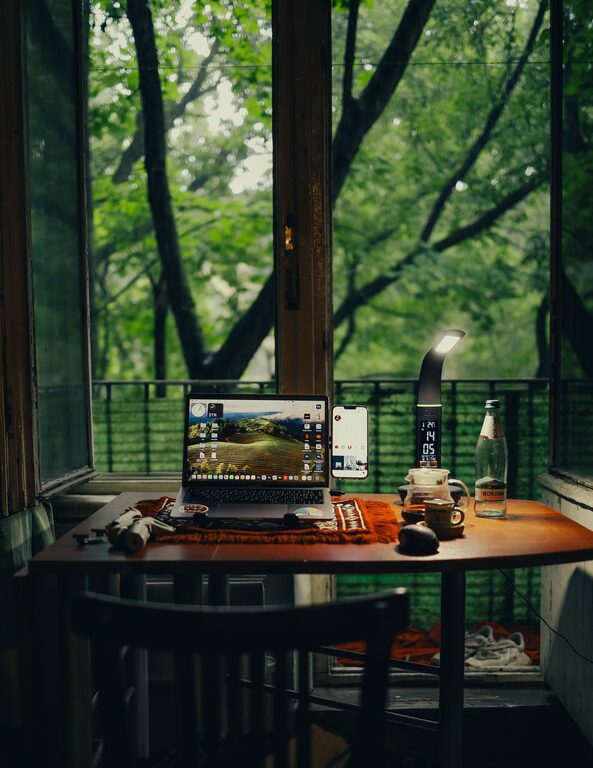
Creating a relaxing home workspace is essential for maintaining productivity, especially when working remotely or managing tasks from home. A well-designed area can reduce stress, improve focus, and make your workday more enjoyable. Here are some practical tips to help you set up a comfortable and peaceful environment that supports your best work.
Choose the Right Location
The first step in creating a relaxing workspace is selecting a quiet, well-lit area that minimizes distractions. Ideally, pick a spot away from heavy foot traffic, noisy appliances, or loud conversations. Near a window is a great option, as natural light boosts mood and alertness.
Invest in Comfortable Furniture
Comfort plays a key role in maintaining productivity. Choose an ergonomic chair that supports good posture to avoid back and neck strain. A desk at the right height—usually about elbow level when seated—helps prevent discomfort. Adding a footrest or adjustable monitor stand can also enhance your workspace ergonomics.
Keep It Organized and Clutter-Free
A tidy space promotes focus and reduces anxiety. Use storage solutions like shelves, drawers, or desk organizers to keep supplies orderly. Only keep essential items on your desk. Regularly declutter by removing unnecessary papers or gadgets to maintain a clean workspace.
Use Soothing Colors and Decor
Colors affect mood and productivity. Soft, neutral tones like light blues, greens, or greys create a calm atmosphere. Avoid overly bright or stimulating colors that might cause distraction. Personal touches such as plants, framed photos, or artwork can make your space feel inviting and inspire creativity.
Control Lighting Effectively
Good lighting reduces eye strain and enhances alertness. Combine natural light with adjustable task lighting like desk lamps. Use warm-toned bulbs in the evening for a relaxing ambiance. Avoid harsh overhead lights to prevent glare on screens.
Minimize Noise and Distractions
If noise distracts you, consider noise-canceling headphones or white noise machines. Playing soft instrumental music can also help some people focus. Communicate workspace boundaries with family or roommates to limit interruptions during work hours.
Incorporate Elements for Relaxation
Small additions can make your workspace more soothing. A diffuser with calming scents like lavender or eucalyptus helps reduce stress. Including a small water fountain or a few plants adds a natural, peaceful vibe to your environment.
Establish Clear Work Zones
If your workspace doubles as a living area, try to create a clear boundary for work. Use rugs, room dividers, or different furniture arrangements to separate your office space. This visual separation signals to your brain when it’s time to focus and when to relax.
Maintain a Routine and Take Breaks
Even with the perfect workspace, productivity relies on good habits. Stick to consistent work hours and include short breaks to stretch or walk around. A relaxed body contributes to better concentration and creativity.
Keep Technology Organized and Updated
Tidy cords and keep your tech tools up to date. Untangle wires with clips or sleeves to avoid a messy appearance. A smooth-running computer with the right software prevents frustration and helps maintain flow during tasks.
—
Creating a relaxing home workspace is about blending comfort, organization, and aesthetics to support your best work. By paying attention to these details, you can enjoy a productive day in a calm and inviting environment. Start with small changes, and adjust your setup as you learn what works best for you.